Various news sources reports regarding Gas prices and Grocery Spending:
From  :
:
Gas prices are crimping grocery spending, research finds
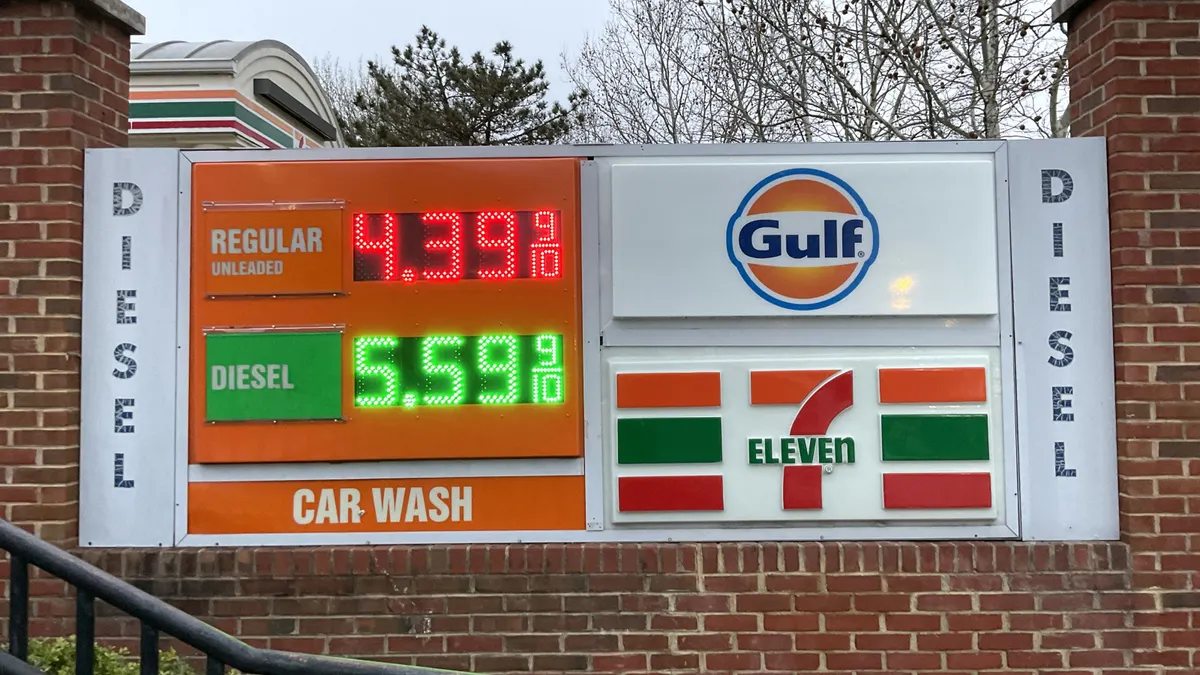
More than a third of respondents to a survey conducted in March said they have cut back on their grocery spending by either trading down or buying less.
- The rapidly rising price of gasoline during the past few weeks has significantly impacted people’s grocery-shopping patterns, according to survey data released Tuesday by Snipp, a company that helps retailers run customer-engagement programs.
- More than a third of respondents to a survey of 1,000 grocery shoppers Snipp conducted last month said they have cut back on their grocery spending by either trading down or buying less.
- Snipp also said it found that people have been trying to cut their grocery spending even as prices have been going up. More than 37% of shoppers in the survey said their weekly grocery bill has increased compared to three months ago.
Respondents were most likely to indicate that they have cut spending on snacks and beverages, followed by the alcohol, fresh meat and seafood, and prepared/deli foods categories. People also said they have reduced spending on fresh produce and dairy goods.
Over half of participants in the poll, which drew responses from 1,000 U.S. consumers who shop for groceries at least once a month, said they have changed their in-store shopping activity due to higher gas prices. Nearly 30% said they are consolidating trips to reduce driving, and more than 20% are shopping less often.
Fuel prices have surged since the United States began its war with Iran several weeks ago. The national average price of a gallon of regular gas was about 32% higher on Wednesday than it was a month ago, according to data from AAA.
The grocery industry has taken notice of the pinch people are feeling from higher energy costs. Last week, Kroger said shoppers would receive four times the usual amount of fuel points from March 27-29 and April 3-5.
Companies that depend on independent contractors who use their own vehicles have also taken steps to soften the blow of rising fuel prices. DoorDash, for instance, announced recently that it will provide drivers who use the company’s branded debit card to pay for gas with 10% cash back — five times the normal rate. In addition, DoorDash workers who drive at least 125 miles per week will receive a weekly “fuel relief payment” of at least $5.
Sam Silverstein | Apr. 3, 2026 | Link to store here: LINK
From 
Survey: Consumers trading down, consolidating trips because of fuel costs

Rapidly rising fuel prices are already having an impact on consumer spending.
According to new data from loyalty marketing technology provider Snipp Interactive, 31% of consumers said gas price increases have “significantly” or “extremely” impacted their household budget, while only 13% said they felt no impact at all.
Two-thirds of those surveyed said they have already changed their overall spending habits as a direct result, with 20% making significant changes and 45% making moderate ones.
When asked which spending categories they had cut, dining out led all responses at 63%. Clothing (44.7%), entertainment (43.2%) and travel (38.9%) were the next most common answers. Nearly 36% of consumers said they had reduced grocery spending by trading down or buying less.
The cost cutting comes as gas prices surged to a national average of approximately $3.88–$3.93 per gallon in late March, according to Snipp.
More than half of shoppers said they had changed how often they shop in-store, 29% by consolidating trips and 21% by going less frequently. When it comes to where they shop, the most common adjustment is choosing stores closer to home (26%) to help save on fuel costs, while another 13% have shifted more purchases online. Only 13% have switched to lower-priced retailers outright.
Fuel costs may be top of mind for shoppers as the price at the pump continues to rise, but so are overall prices. More than four-in-10 (46%) shoppers surveyed by Snipp are very or extremely concerned that grocery costs will continue rising over the next six months. Less than 6% said they had no concern at all.
“Shoppers who are consolidating trips, trading down, and actively hunting promotions are making calculated decisions at every touchpoint,” said Snipp. “The brands that show up with tangible value i.e. the right price point, the right pack size, the right promotion / offer at the right moment, will hold their ground. The ones that don’t will lose share to private labels and struggle to win it back.”
Snipp added that retailers should continue to expand private label assortments, activate loyalty programs, and compete on proximity and digital convenience, while also “capturing food service occasions” as more consumers shift to cooking at home.
Snipp Interactive surveyed 1,000 U.S. adults who regularly shop for groceries for its latest report.
Zachary Russell | Apr. 1, 2026 | Link to store here: LINK