How much protein do you need? Here’s how to personalize your optimal intake
Click on the NPR logo to hear the story… 

Douglas Brown,Senior Retail Reporter | March 19, 2026
Protein’s rise to stardom amid the GLP-1 drug’s popularity and what health experts recommend for balanced protein consumption.
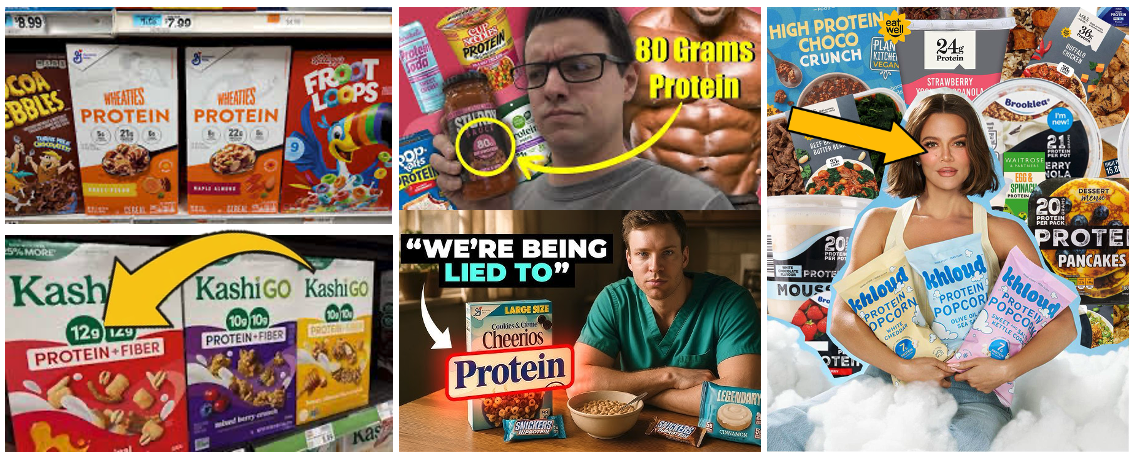
We’ve gone mad for a matrix of molecules. Brands stuff them into yogurt and pretzels, cans of carbonated water and frozen pizzas. Investors dump money into them, and retailers leverage molecule mania for sales—granting them loads of shelf space.
The celebrated ingredient is protein, a large molecule made from smaller molecules called amino acids that are linked together in long chains. Protein stands as one of the pillars of human health. It gives the body what it needs to repair muscle, skin, organs and other tissues. It also contributes toward the production of enzymes, hormones and immune cells.
At the rate the people of the United States are consuming protein these days, you’d think nearly every bicep, cheek and liver from Secaucus to Seattle would shimmer with vigor; that immune vitality would render many of us invincible, if not immortal.
News just this week that Kraft Heinz plans to debut a high-protein Kraft Mac & Cheese further stoked a protein-fueled fascination that had captivated me since Natural Products Expo West earlier this month. More news from the past few weeks includes the launch of Doritos Protein, a line of protein-flooded snack products.
It’s been trending for years—close to a decade. At last year’s Expo West, a proper protein palooza, booths touting the diva molecule proliferated. Around the same time as the 2025 Expo West, Danone launched Oikos protein shakes and Chobani introduced 20- and 30-gram protein yogurt and drink products.
Back then I wondered—have we reached peak protein?
We had not. Instead, a year later, protein has pivoted from big trend to table stakes. Everybody’s getting in on the game, adding protein to products ranging from water to cereal to ice cream, bottled coffee and even jam.
Protein’s rise tied to guilt-free consumption
Quite a bit supports protein’s meteoric rise. One factor, I think, is its unique position within the contemporary food ecosystem. Most food trends hinge on eliminating or reducing ingredients: gluten free, low sugar, paleo and keto (both of which shrink from carbohydrates), vegan. Even organic dwells in the land of rejection—no toxic farming chemicals. Plant-based revolves around swapping animal foods for plant-crafted doppelgängers.
But protein is different. Rather than subtractive, it’s additive. Instead of implying discipline, restraint and avoidance, it champions strength, satiety and self-improvement. Today’s fetishization of protein dispenses with inventories of restrictions. It preaches abundance instead—just eat more. Guilt? Nah. Protein proselytizers tap aspiration.
In addition, it plays nice with most of the buzzy restrictive diets. All of the low-carb diets, in particular, trumpet protein. Meanwhile, a quick glance at the USDA’s revamped food pyramid, unveiled in January, vaults protein from meat and dairy to the top of the inverted triangle. In fact, reading from left to right, the first word in the new dietary guidelines is protein. None other than the federal government is now evangelizing on behalf of protein.
As if the MacGyver-like molecule needed yet another boost, along came the GLP-1 drugs. Among other things, the drugs dramatically reduce appetites, compelling people to mine as much nutrition out of small meals as possible. Since protein is one of the body’s essential building blocks, GLP-1 users gravitate toward protein-packed foods.
Just last month, General Mills CEO Jeff Harmening told investors the company expects GLP-1s to transform the food industry by nudging consumers toward smaller portions and more nutrient-dense protein- and fiber-forward foods.
Public-facing testaments to product formulations tied to GLP-1 drugs abound. When Danone announced its move into protein shakes through its yogurt brand Oikos last May, the company credited its decision in part to customer needs associated with GLP-1 use. Months later, in August, the company launched Oikos Fusion, which was aimed directly at consumers taking GLP-1 medications. That product contains whey protein and vitamin D.
Medical establishment questions
Protein veneration has not captured the dietary wing of the mainstream medical establishment. This month, for example, Johns Hopkins Bloomberg School of Public Health published a piece called “America’s Protein Obsession, Explained” arguing that protein fixation may be muscling away a more important message: Diversify protein sources (that is, don’t eat just animal protein) and consume more fiber-rich foods.
But admonitions from health authorities aren’t yet making much of a difference. Protein-forward messaging and mood is yielding marketplace consequences. In July of last year, IFIC reported that one in three Americans had increased protein intake over the previous year, and 71% said they were trying to consume protein—up from 67% in 2023 and 59% in 2022. IFIC also found that 8 in 10 Americans prioritize protein at at least one eating occasion each day.
Consider cottage cheese, an old-school high-protein product. Circana data shows that sales hit $1.75 billion with nearly 20% growth for the 52-week period ending February 2025. That growth far outpaces overall growth in the natural channel, which was 3.7% in 2024 according to SPINS.
Recent news on the cottage cheese front bolsters the weird-textured food’s sudden high-flying status. In January, Good Culture agreed to a majority investment from L. Catterton, a deal valued at an impressive $500 million. And then the company received another $55 million from SEMCAP the same month. News coverage reports that Good Culture’s sales nearly quadrupled over the past three years.
Other relevant data: Grand View Research estimates the global protein supplements market at $29.78 billion in 2025, with estimates of 10.3% CAGR from 2026 to 2033. And SPINS data says RTD protein sales grew from $6 billion in 2023 to $7.6 billion in 2025, as 13% CAGR over those two years.
When will protein plateau? A year ago, I mistakenly believed it already had peaked. This time, I’m not making any wagers. For now, at least, protein continues to throw the biggest, wildest party in the natural and organic products industry. No hangovers in sight!
Douglas Brown,Senior Retail Reporter | March 19, 2026
LINK to story